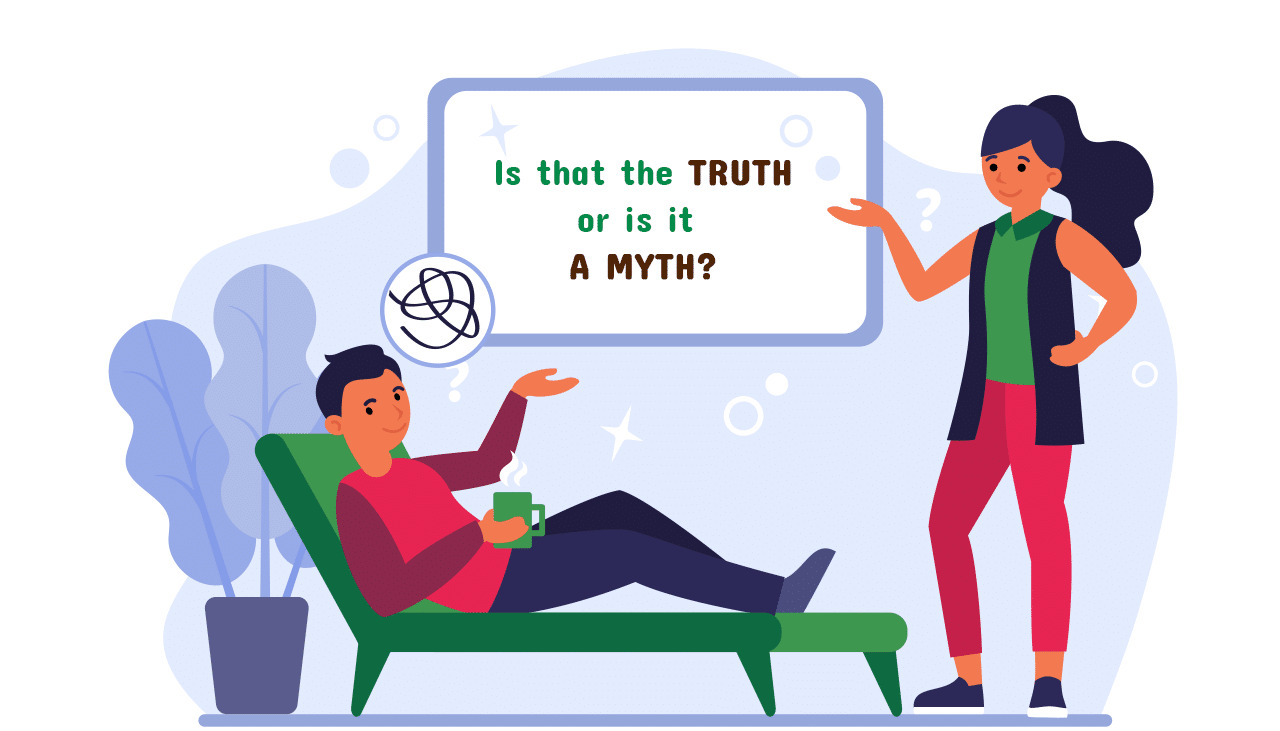
Despite growing awareness around mental health, many misconceptions about therapy still exist. These myths prevent people from seeking the help they need, often leading to unnecessary struggles. In this blog, we’ll debunk five common myths about therapy and explain why seeking professional support is a positive step toward mental wellness.
Myth 1: Therapy is Only for People with Severe Mental Illness
The Reality:
Therapy isn’t just for individuals diagnosed with serious mental health conditions—it’s for everyone! Whether you’re dealing with daily stress, relationship challenges, self-doubt, or just need someone to talk to, therapy provides valuable tools and support.
How Therapy Helps:
- Improves emotional resilience and self-awareness
- Helps manage stress, anxiety, and burnout
- Provides guidance for personal growth and career development
Myth 2: Talking to Friends and Family is Just as Effective as Therapy
The Reality:
While having a strong support system is essential, professional therapy is different. Therapists are trained to provide objective, evidence-based guidance tailored to your specific needs.
How Therapy Helps:
- Offers a judgment-free, confidential space
- Uses scientifically backed techniques to improve mental well-being
- Helps uncover deep-rooted patterns and develop coping strategies

Myth 3: Therapy is Too Expensive and Not Worth It
The Reality:
Many people assume therapy is a luxury, but platforms like Udoka offer flexible and affordable options. The benefits of therapy—better mental health, improved relationships, and increased productivity—often outweigh the costs.
How Therapy Helps:
- Prevents small issues from escalating into bigger problems
- Enhances emotional intelligence and decision-making skills
- Offers affordable online therapy options for convenience
Myth 4: Therapy Takes Years to Show Results
The Reality:
While some challenges require long-term therapy, many people start seeing improvements within a few sessions. Therapy is a personalized process, and progress depends on the individual’s needs and goals.
How Therapy Helps:
- Provides actionable coping strategies from the first session
- Offers structured short-term approaches like Cognitive Behavioral Therapy (CBT)
- Allows clients to track progress and set achievable milestones
Myth 5: Therapists Just Listen and Don’t Give Advice
The Reality:
Therapists do much more than listen—they provide expert guidance, structured techniques, and actionable insights to help you work through challenges.
How Therapy Helps:
- Uses interactive methods like journaling, role-playing, and guided exercises
- Helps clients identify harmful patterns and replace them with healthier habits
- Empowers individuals to make informed, confident decisions
Final Thoughts: Break the Stigma and Seek Support
Therapy is for everyone, regardless of their struggles or background. Whether you’re navigating life transitions, managing stress, or looking for personal growth, therapy can be a powerful tool for self-improvement.
Ready to take the next step? Find your Therapist