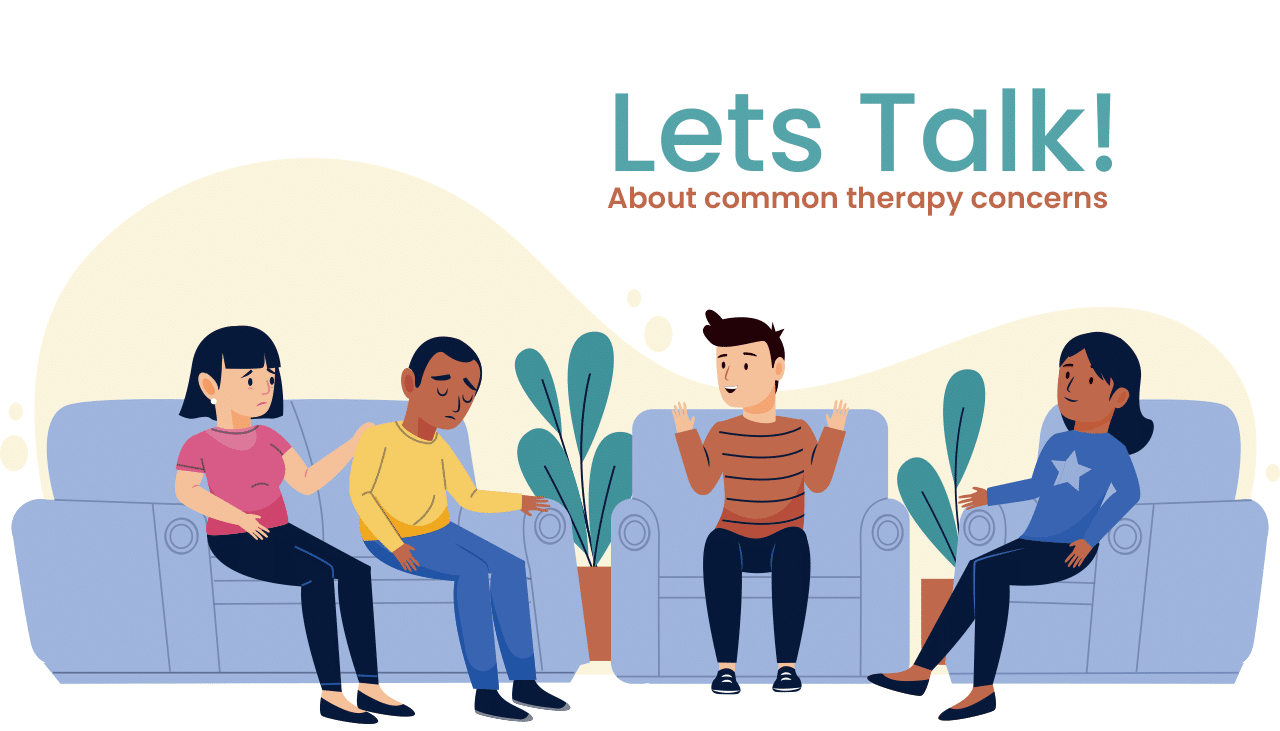
Therapy can be a life-changing experience, offering support, guidance, and strategies for improving mental well-being. However, many people hesitate to seek counseling due to various concerns and misconceptions. If you’re considering therapy but have doubts, this article will address some of the most common client concerns and provide clarity on what to expect.
Concern 1: “What if Therapy Doesn’t Work for Me?”
The Reality:
Therapy is not a one-size-fits-all approach, and its effectiveness depends on factors such as your openness, the therapist’s approach, and the specific challenges you’re facing. If your first experience isn’t ideal, it doesn’t mean therapy doesn’t work—it may mean you need to find a better therapist fit or adjust your approach.
How to Address It:
- Try different therapists or counseling styles until you find one that resonates with you.
- Set realistic expectations—progress takes time.
- Keep an open mind and actively engage in the process.
Concern 2: “Is Therapy Only for People with Serious Mental Health Issues?”
The Reality:
Therapy is for everyone, not just those with severe mental health conditions. People seek therapy for stress management, relationship issues, self-improvement, career guidance, and emotional well-being.
How to Address It:
- Therapy can help with everyday challenges, such as decision-making and personal growth.
- Many successful individuals use therapy as a tool for self-development.
- Seeking therapy proactively can prevent minor issues from escalating into major concerns.
Concern 3: “I Don’t Want to Be Judged or Labeled”
The Reality:
A therapist’s role is to listen without judgment and provide a safe, confidential space for you to express your thoughts and feelings. Their goal is to help, not to label or criticize.
How to Address It:
- Therapists adhere to strict confidentiality and ethical guidelines.
- Therapy is a space for self-expression and problem-solving, not judgment.
- You have full control over what you choose to discuss.
Concern 4: “I’m Not Comfortable Talking to a Stranger About My Problems”
The Reality:
Opening up to a therapist can feel daunting at first, but over time, the relationship becomes more comfortable. Therapists are trained to help clients feel safe and understood.
How to Address It:
- Start with small, less personal topics until trust builds.
- Remember that therapists are professionals trained to handle sensitive issues with care.
- If you don’t feel comfortable after a few sessions, consider switching therapists.
Concern 5: “Therapy is Too Expensive”
The Reality:
While traditional in-person therapy can be costly, online therapy and flexible pricing models (like those offered by Udoka) make counseling more accessible and affordable.
How to Address It:
- Look for platforms that offer flexible payment plans or pay-per-session options.
- Some therapists offer sliding scale fees based on financial need.
- Consider group therapy or workshops as cost-effective alternatives.
Concern 6: “I Don’t Have Time for Therapy”
The Reality:
Many people believe therapy requires a huge time commitment, but online and flexible scheduling options make it easier than ever to fit therapy into a busy lifestyle.
How to Address It:
- Many platforms offer evening, weekend, or asynchronous therapy options.
- Online therapy allows you to have sessions from the comfort of your home.
- Even short, 30-minute sessions can provide valuable support.
Final Thoughts: Therapy is an Investment in Yourself
If any of these concerns have held you back from trying therapy, remember that seeking help is a sign of strength, not weakness. Therapy provides a judgment-free space, tools for self-growth, and professional guidance tailored to your needs.
At Udoka, we make therapy accessible, affordable, and convenient. Whether you’re dealing with stress, anxiety, relationship challenges, or simply seeking self-improvement, our verified counselors are here to help. Find your Therapist